
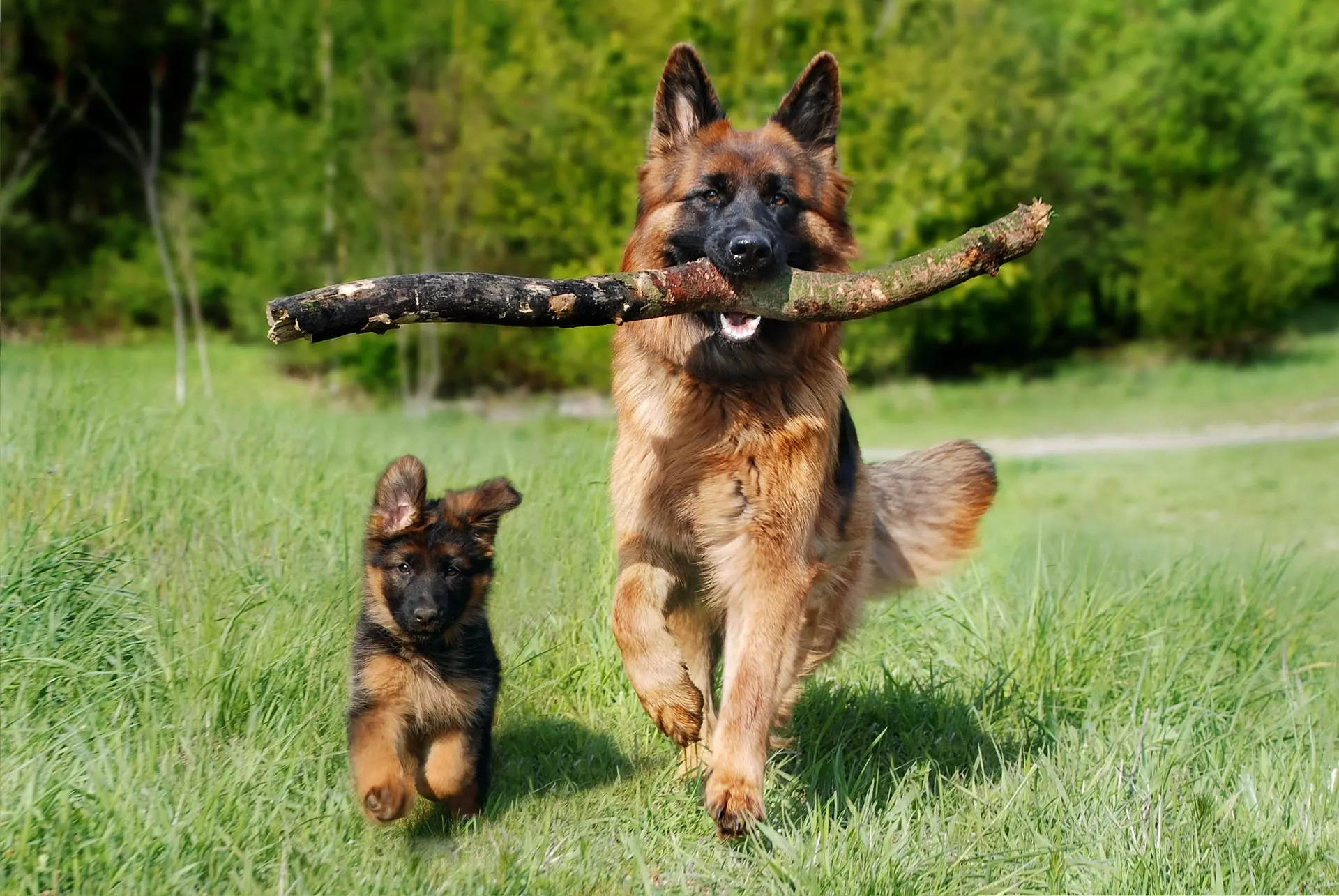
Understanding the Need for Transition
As your puppy grows, their nutritional needs change significantly. Puppy food is specially formulated to support rapid growth and development, packed with essential nutrients for those early months. However, once they reach around one year of age, it’s time to consider making the transition to adult dog food.
Signs Your Puppy is Ready for Adult Food
How do you know when your furry friend is ready to make the switch? Look for these signs:
- Age: Most breeds are ready to transition between 12 to 18 months.
- Weight: If your puppy has reached their ideal weight, it may be time to switch.
- Activity Level: Adult dogs often have different energy levels compared to puppies.
Choosing the Right Adult Dog Food
Not all dog foods are created equal. When selecting adult food:
- Look for Quality Ingredients: Choose brands that list whole meats, vegetables, and grains as their primary ingredients.
- Consider Your Dog’s Breed: Some breeds might have specific dietary needs or sensitivities.
- Read Reviews: Research and consider feedback from other pet owners regarding different brands.
How to Make the Transition Smooth

Transitioning your puppy to adult dog food should be done gradually. A sudden change can lead to digestive upset. Here’s a simple plan:
- Week 1: Mix 25% adult food with 75% puppy food.
- Week 2: Adjust to 50% adult food and 50% puppy food.
- Week 3: Shift to 75% adult food and 25% puppy food.
- Week 4: Fully transition to adult dog food.
Monitor your puppy during this transition. Watch for any signs of digestive issues such as diarrhea, vomiting, or changes in appetite. If any of these occur, slow down the transition process.
How to Serve the New Adult Dog Food
It’s not just about what you serve; how you serve it matters too. Here are a few tips:
- Consistency: Feed your dog at the same times each day to establish a routine.
- Meal Portions: Adjust portions based on your dog’s size, weight, and activity level as per the feeding guidelines on the food packaging.
- Fresh Water: Always provide a bowl of fresh water to keep your dog hydrated.
Monitoring Your Dog’s Health After Transition
After you’ve fully transitioned to adult food, it’s wise to keep an eye on your dog’s health. Regular vet check-ups can help ensure they are thriving on their new diet. Pay attention to their coat condition, energy levels, and overall demeanor.
Common Mistakes to Avoid
When transitioning your pup, there are a few common pitfalls to avoid:
- Rushing the Process: Too quick a transition can lead to gastrointestinal issues.
- Not Monitoring Changes: Failing to track your dog’s health can overlook potential problems.
- Forgetting Treats: If you use treats, ensure they align with the new adult dog food guidelines.
Every dog is unique, so be patient and attentive. The goal is to make this transition as seamless as possible, ensuring your furry friend continues to receive the best nutrition for their new stage of life.