Introduction to Hummingbirds
Hummingbirds, with their dazzling colors and remarkable agility, are often regarded as nature’s tiny superheroes. These enchanting little birds are not only a joy to watch but also play an essential role in the ecosystem. Their unique characteristics and behaviors set them apart in the avian world, making them truly extraordinary.
What Makes Hummingbirds Unique?
Size and Speed
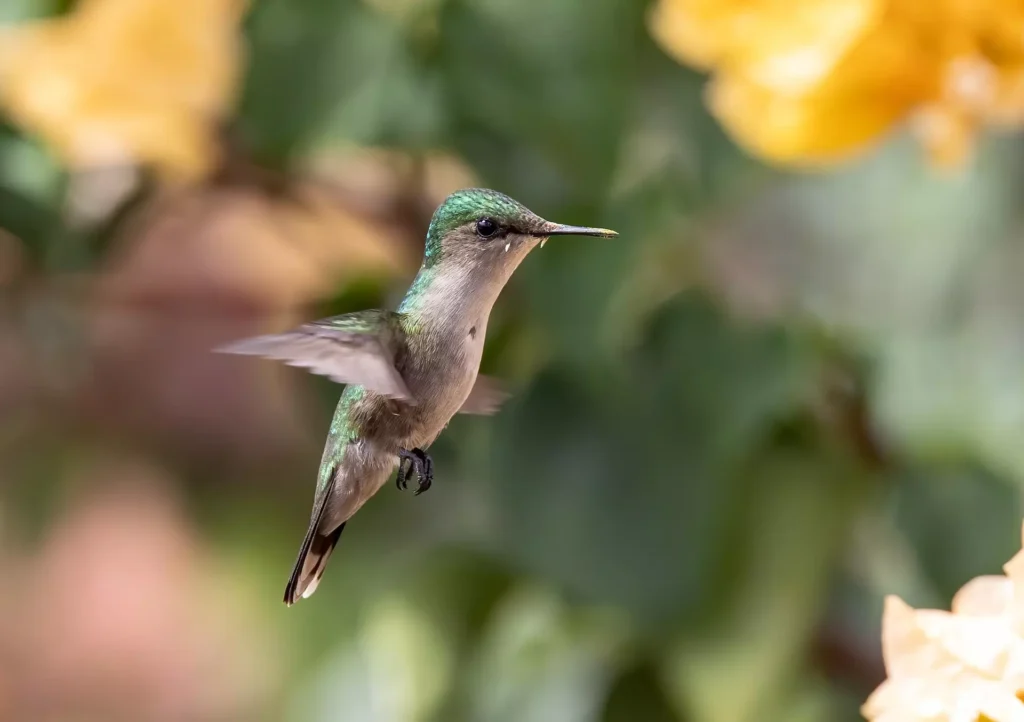
Weighing less than a coin, hummingbirds are the smallest breed of bird. They can flap their wings up to 80 times per second, allowing for incredible aerial maneuvers. This rapid wingbeat grants them the ability to fly in any direction, hover in place, and even fly backward—skills that few other birds possess.
Color and Plumage
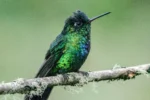
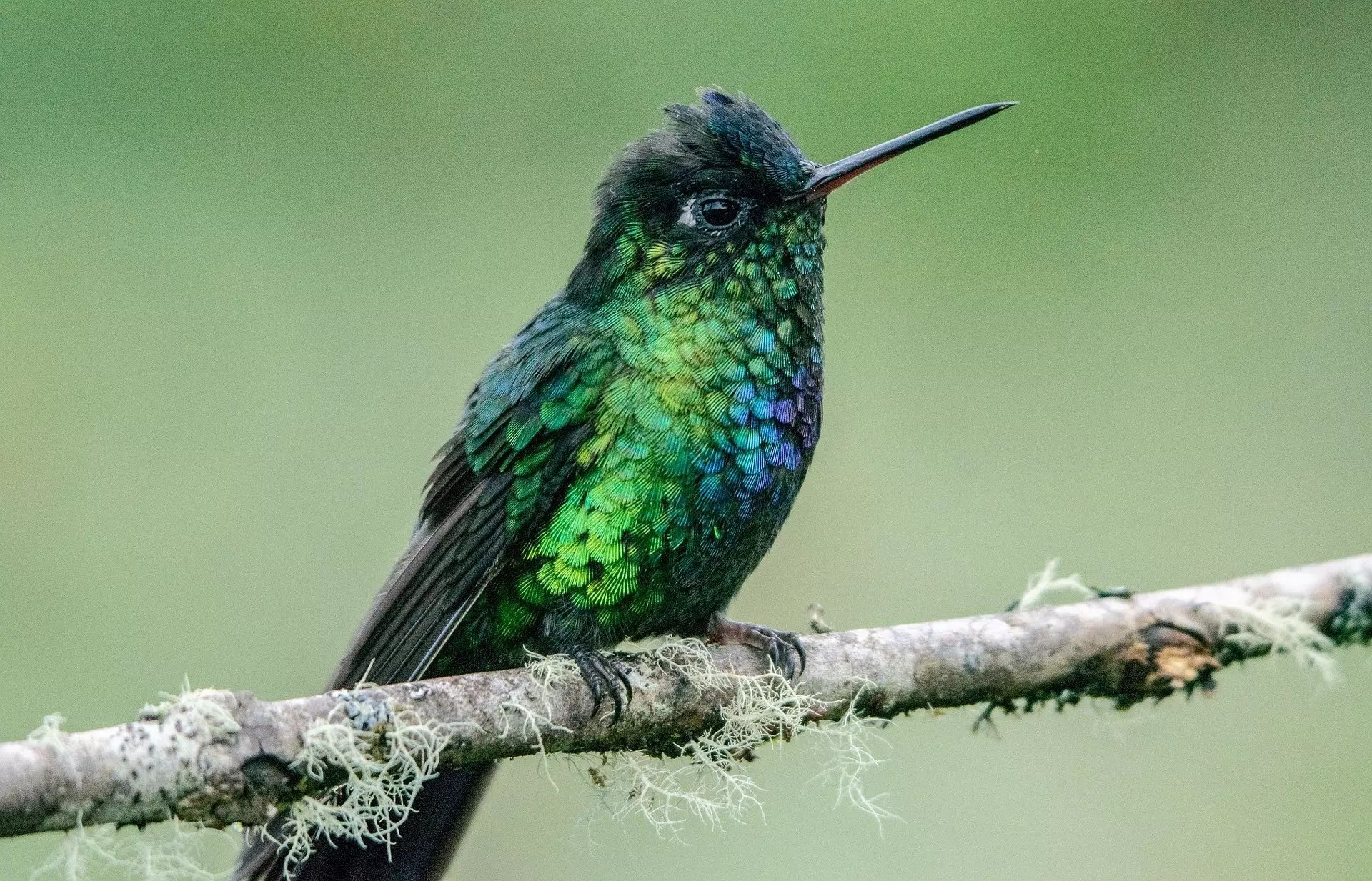
The vibrant plumage of hummingbirds is not just for show. The iridescent feathers reflect light in unique ways, creating dazzling displays that can change color based on the angle of the viewer. Male hummingbirds often use these colors to attract mates and establish dominance, showcasing their fitness and vitality.
The Role of Hummingbirds in Pollination
Nature’s Pollinators
One of the most significant contributions of hummingbirds is their role as pollinators. As they feed on nectar from flowers, they inadvertently transfer pollen from one bloom to another. This process is vital for many plant species, enhancing biodiversity and ensuring that ecosystems flourish. Without hummingbirds, many plants would struggle to reproduce, demonstrating their importance in nature.
Supporting Floral Diversity
Hummingbirds are particularly attracted to red and orange tubular flowers, which are often designed to accommodate their unique feeding habits. This mutualistic relationship benefits both parties; the flowers receive pollination, while hummingbirds gain a rich energy source from the nectar. This partnership exemplifies the delicate balance of nature.
Hummingbird Behavior and Habits
Feeding Habits
Hummingbirds have incredibly high metabolic rates, requiring them to consume large amounts of nectar daily. They can visit hundreds of flowers in a single day, using their long, specialized bills to extract nectar. Interestingly, they possess a remarkable memory, allowing them to remember which flowers they’ve visited and when, optimizing their foraging efficiency.
Migration Patterns
Many species of hummingbirds engage in astounding migratory journeys. For example, the Ruby-throated Hummingbird travels over 3,000 miles each year between North America and Central America. This migration is not only impressive but also essential for their survival, as it allows them to access food throughout the year.
Conservation of Hummingbirds
Threats to Their Existence
Despite their remarkable adaptations, hummingbirds face several threats, primarily due to habitat loss and climate change. As natural environments are altered or destroyed, the flowers that depend on these birds for pollination suffer. This can lead to a decline in both hummingbird populations and the ecological balance.
How We Can Help
To support hummingbird populations, gardeners and nature enthusiasts can cultivate native plants that provide nectar and shelter. Installing hummingbird feeders filled with sugar water can also attract these beautiful birds to your garden. By creating a welcoming environment, we can play a part in preserving these amazing creatures for future generations.
Conclusion: The Legacy of Hummingbirds
Hummingbirds are more than just stunning creatures; they are an integral part of our ecosystems. Their unique adaptations and role in pollination highlight their importance in nature. As we work towards preserving their habitats and supporting their populations, we ensure that these tiny superheroes continue to grace our world with their presence.